

Diabetes is one of the most discussed health topics globally and for good reason. With rising prevalence rates across all age groups, it affects millions of lives and places a significant burden on healthcare systems worldwide. This comprehensive guide explains diabetes in a way that’s easy to understand, backed by authoritative sources, to help you stay informed and make healthier choices.
1. What Is Diabetes?
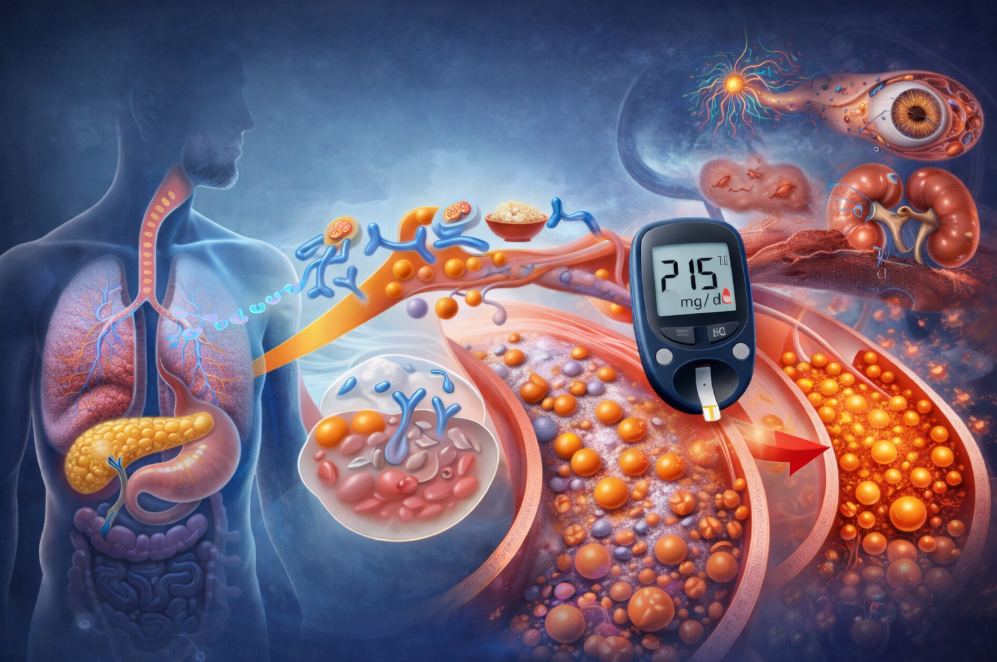
Diabetes is a chronic metabolic condition that affects how your body processes blood glucose (sugar). Glucose is a critical energy source that comes from food. Under normal conditions, the pancreas releases insulin, a hormone that helps cells absorb glucose from the bloodstream into the body’s tissues for energy.
In people with diabetes, this process is disrupted. Either the body does not produce enough insulin, or it cannot use the insulin effectively. As a result, glucose accumulates in the blood, leading to high blood sugar levels, a condition known as hyperglycemia. Over time, persistent hyperglycemia can damage blood vessels, nerves, and vital organs if not managed properly. World Health Organization+1
2. A Global Health Concern: Prevalence and Trends
Diabetes is not limited to any single population. It affects people of various ages, ethnicities, and economic backgrounds. According to the World Health Organization (WHO), the number of people living with diabetes has grown significantly over the last few decades:
- The global count increased sharply over the past 30 years, with estimates showing more than 800 million people currently living with diabetes worldwide. World Health Organization
- Rising prevalence is seen in both developed and developing countries, with low and middle-income nations reporting a faster rate of increase. World Health Organization
In the United States alone, data from the Centers for Disease Control and Prevention (CDC) show that over 38 million people, or approximately 1 in every 10 Americans, have diabetes. CDC
These figures reflect only diagnosed cases many individuals remain unaware they have diabetes, underscoring the importance of awareness and screening. CDC
3. Types of Diabetes
Diabetes is not a single disease but a group of conditions with different underlying causes. The three most common forms are:
a. Type 1 Diabetes
Type 1 diabetes is an autoimmune condition in which the body’s immune system mistakenly attacks and destroys the insulin‑producing cells of the pancreas. This results in little to no insulin production, requiring people with type 1 diabetes to take daily insulin for life. World Health Organization
Type 1 diabetes was traditionally called juvenile diabetes because it often appears in children and young adults, though it can occur at any age. The exact cause remains unknown, and there is currently no known way to prevent it. World Health Organization
b. Type 2 Diabetes
Type 2 diabetes is the most common form of diabetes. It usually develops gradually when the body becomes resistant to the effects of insulin or when the pancreas does not produce enough insulin to maintain normal blood glucose levels. World Health Organization
This form is strongly associated with lifestyle and genetic factors, including being overweight, having low physical activity, and a family history of diabetes. World Health Organization
Importantly, type 2 diabetes is often preventable and manageable with lifestyle changes and medical care. Mayo Clinic
c. Gestational Diabetes
Gestational diabetes develops during pregnancy in women who did not have diabetes before becoming pregnant. While it often goes away after delivery, it increases the risk of type 2 diabetes later in life for both the mother and the child. CDC
4. Common Signs and Symptoms
Recognizing the early symptoms of diabetes can make a big difference in timely diagnosis and management. While symptoms vary depending on the type and severity of the condition, some are common across different types of diabetes. These include:
- Increased thirst and frequent urination
- Unexplained weight loss
- Fatigue or lack of energy
- Blurred vision
- Slow‑healing cuts or wounds
- Increased hunger
These symptoms are more noticeable in type 1 diabetes but may be subtle and develop gradually in type 2 diabetes, making them easy to overlook. World Health Organization
5. How Diabetes Is Diagnosed
Healthcare professionals use several tests to diagnose diabetes or prediabetes:
- Fasting Blood Glucose Test: Measures blood sugar after a night without food.
- Oral Glucose Tolerance Test: Measures blood sugar before and after drinking a glucose‑rich drink.
- HbA1c Test: Reflects average blood sugar levels over the previous 2–3 months.
Testing helps detect diabetes early, even before symptoms develop, allowing for prompt lifestyle changes or treatment plans. NIDDK
6. Risk Factors You Should Know
While diabetes can affect anyone, certain factors increase the likelihood of developing the condition, particularly type 2 diabetes. These include:
- Family history of diabetes
- Overweight or obesity
- Physical inactivity
- Age above 35 years
- High blood pressure
- Abnormal cholesterol levels
- History of gestational diabetes NIDDK
Awareness of these risk factors helps individuals and healthcare providers identify those who may benefit from regular screening.
7. Complications of Unmanaged Diabetes
Persistent high blood glucose levels can affect many parts of the body over time. Potential complications, many of which can be serious, include:
a. Cardiovascular Diseases
People with diabetes face a higher risk of conditions like heart disease, stroke, and hypertension due to damage in blood vessels and circulation.
b. Nerve Damage (Neuropathy)
Excess glucose can damage nerves, often leading to numbness, tingling, or pain, particularly in the hands and feet.
c. Kidney Damage (Nephropathy)
High blood sugar can affect kidney function and may lead to kidney failure if not addressed.
d. Vision Problems
Diabetic retinopathy — damage to the small blood vessels in the eyes can cause vision impairment and even blindness.
e. Foot Problems
Nerve damage and poor blood circulation can lead to foot ulcers, infections, and, in severe cases, amputation. World Health Organization
Complications reinforce the importance of early detection and consistent management to preserve health and quality of life.
8. Prevention Strategies
While type 1 diabetes cannot currently be prevented, many cases of type 2 diabetes, the most common type can be delayed or prevented through lifestyle changes. Evidence‑based strategies include:
Healthy Eating Habits
Focusing on nutrient‑dense foods such as fruits, vegetables, whole grains, and lean proteins helps regulate blood sugar and maintain a healthy weight. Mayo Clinic
Regular Physical Activity
Moderate exercise, such as brisk walking, for at least 150 minutes per week, supports insulin sensitivity and helps control weight. Mayo Clinic
Weight Management
Losing excess weight, even a small amount, can significantly lower the risk of developing type 2 diabetes. Mayo Clinic
Regular Health Checkups
Routine screenings help detect changes in blood glucose early, allowing timely intervention. Mayo Clinic
9. Treatment and Management Options
Diabetes treatment focuses on keeping blood sugar levels within a healthy range and preventing complications. Management plans are individualized and often include:
a. Medication and Insulin Therapy
People with type 1 diabetes and some with advanced type 2 diabetes need insulin. Others may use oral medications to help control blood sugar levels. NIDDK
b. Diet and Lifestyle Adjustments
Personalized meal plans often developed with a dietitian can help stabilize blood sugar and support overall health. NIDDK
c. Monitoring Blood Sugar
Regular self‑monitoring allows individuals to see how foods, activity, stress, and medications affect their blood sugar. NIDDK
d. Education and Support
Diabetes self‑management education programs can empower individuals to make informed decisions about daily care. CDC
Consistent care and support from healthcare professionals, family, and support groups contribute to improved outcomes.
10. Living Well With Diabetes
Living with diabetes is not just about medicine, it’s about creating sustainable lifestyle habits that promote long‑term well‑being. Here are key elements that support healthy living:
Build a Support Network
Connect with others affected by diabetes, family, friends, or community groups for motivation and shared learning.
Stay Active Daily
Regular physical activity improves not only glucose control but also overall mood and energy levels.
Practice Mindful Eating
Understanding how different foods affect your body encourages balanced meals and reduces the likelihood of blood sugar spikes.
Stay Informed
Diabetes research is ongoing, and staying current with credible sources and healthcare advice helps you make better decisions about your health.
11. Final Thoughts
Diabetes is a complex condition with far‑reaching effects on health and daily life. However, understanding the basics of what it is, how it develops, and how it affects the body empowers individuals and communities to take meaningful steps toward prevention and management.
With ongoing care, education, and lifestyle changes, many people with diabetes lead full and active lives. Early diagnosis and proactive health habits make all the difference.
This article is for informational purposes only and does not replace professional medical advice.
References
✔ World Health Organization – Diabetes overview and statistics World Health Organization+1
✔ Mayo Clinic – Diabetes prevention and lifestyle guidance Mayo Clinic
✔ National Institute of Diabetes and Digestive and Kidney Diseases (NIDDK) – Diabetes overview and care NIDDK
✔ CDC – National diabetes statistics and data resources CDC+1