

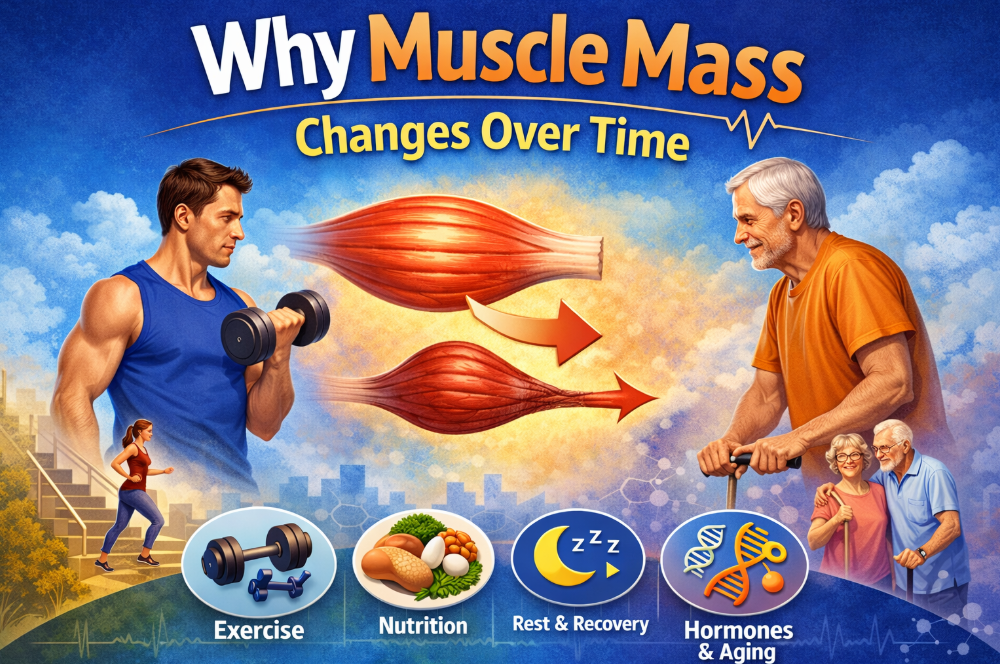
As we grow older, it is common for the body to gradually lose muscle mass and strength. This process is often referred to as age related muscle decline, and it can begin earlier than many people expect. According to research shared by the National Institutes of Health, adults can start losing small amounts of muscle as early as their thirties, with the pace increasing later in life. This change is influenced by factors such as reduced physical activity, hormonal shifts, and slower protein synthesis within the muscles.
Muscle tissue plays an important role beyond movement. It helps maintain balance, supports joints, assists with metabolism, and contributes to overall independence. When muscle mass decreases, everyday activities such as climbing stairs, lifting objects, or maintaining posture may feel more challenging over time.
The Impact of Muscle Loss on Daily Life
Loss of muscle strength does not happen overnight. It is often subtle and gradual, which is why it can go unnoticed until certain tasks feel harder than they used to. Studies discussed by the Centers for Disease Control and Prevention highlight that reduced muscle strength is linked with lower mobility and increased risk of falls as people age.
Muscle tissue also helps regulate blood sugar and supports healthy body composition. When muscle mass declines, the body may burn fewer calories at rest, which can affect energy balance and weight management. Maintaining muscle is therefore not just about strength but about overall physical wellbeing.
Physical Activity and Muscle Preservation
One of the most widely supported approaches to slowing muscle decline is regular physical activity. Research referenced by the CDC and Harvard Health consistently shows that resistance based exercises play a key role in maintaining muscle strength. These activities encourage muscles to work against resistance, which helps stimulate muscle fibres and maintain function.
This does not require heavy gym equipment. Body weight exercises, resistance bands, light dumbbells, and controlled movements can all support muscle engagement. Even daily activities such as climbing stairs or carrying groceries can contribute when performed regularly. Consistency matters more than intensity, especially when starting out.
The Role of Nutrition in Muscle Health
Nutrition has a direct influence on muscle maintenance. Muscles rely on adequate protein intake to repair and rebuild tissue. According to guidance shared by the National Institutes of Health, spreading protein intake evenly throughout the day may support muscle protein synthesis more effectively than consuming it in one large meal.
Whole foods such as lean meats, fish, eggs, legumes, dairy, and plant based proteins contribute essential amino acids needed for muscle support. Alongside protein, nutrients like vitamin D, calcium, and magnesium also play supporting roles in muscle function and bone strength. Balanced eating patterns that include a variety of nutrients are more beneficial than focusing on a single food or supplement.
Hormonal and Metabolic Factors
Hormonal changes that occur with age can also influence muscle mass. Levels of certain hormones involved in muscle maintenance may gradually decrease, affecting how efficiently muscles respond to activity and nutrition. While these changes are natural, maintaining an active lifestyle and a balanced diet can help the body respond more effectively to these shifts.
Metabolism also changes with age, and muscle tissue helps keep metabolic processes efficient. Preserving muscle supports energy use and overall physical resilience, which is why movement and nourishment remain important throughout adulthood.
Everyday Habits That Support Muscle Strength
Beyond exercise and nutrition, daily habits influence muscle health more than many realise. Adequate sleep supports muscle recovery and repair, as highlighted in research summaries by Harvard Medical School. Chronic stress may also affect muscle maintenance by influencing inflammation and recovery processes.
Staying active throughout the day rather than remaining sedentary for long periods helps muscles stay engaged. Simple actions such as standing up regularly, stretching, or walking short distances can contribute positively when done consistently.
When to Seek Professional Guidance
This article is intended for informational purposes only. If you experience persistent weakness, unexplained muscle loss, or difficulty performing daily activities, it is important to discuss these concerns with a qualified healthcare professional. They can provide guidance tailored to individual health needs and conditions.
Final Thoughts on Muscle Health
Muscle loss with age is a natural process, but it does not have to define how you feel or function. Based on guidance shared by organisations such as the CDC and NIH, regular movement, balanced nutrition, and supportive daily habits can help slow this process and support long term physical independence. Small, consistent efforts made over time often have the most meaningful impact on maintaining strength and overall wellbeing.
This article is for informational purposes only and does not replace professional medical advice. Anyone with health concerns or physical limitations should consult a qualified healthcare professional before making significant lifestyle changes.
References
Centers for Disease Control and Prevention
National Institutes of Health
Harvard Health Publishing