

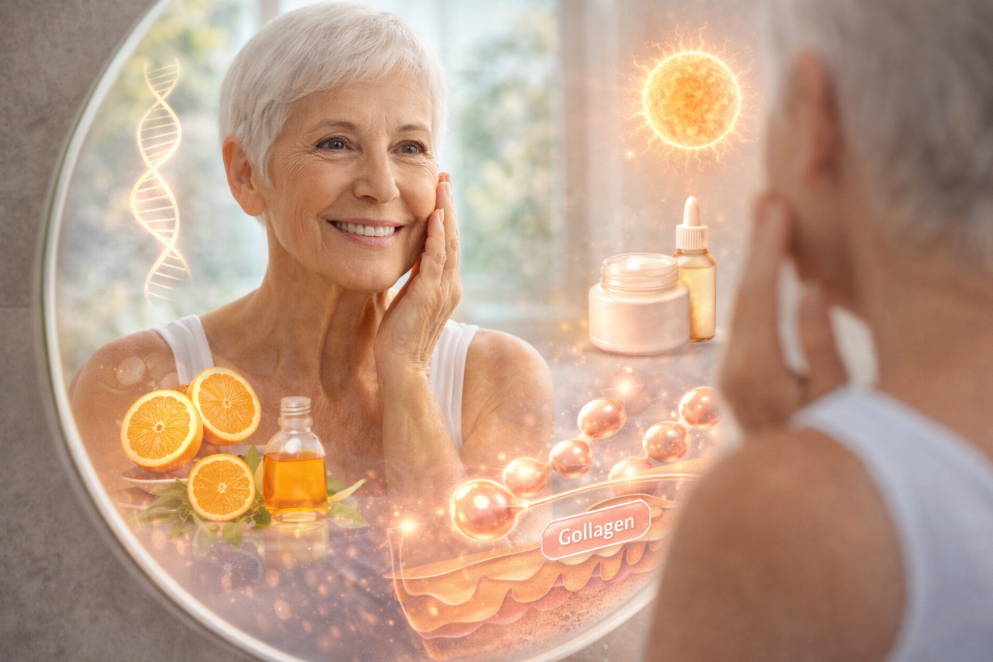
Aging skin tells the story of a life lived, experiences, expressions, and time itself. While skin aging is natural and unavoidable, many people wonder why skin changes so noticeably with age and what can realistically be done to maintain a healthy, youthful appearance later in life. The good news is that skin health can be supported at any age through informed care, lifestyle habits, and consistency.
This article explores why skin ages, what accelerates visible aging, and practical, evidence-based steps that support healthier-looking skin over time.
Why Skin Changes as We Age
Skin is the body’s largest organ, and like all organs, it changes with time. These changes occur due to a combination of biological aging and environmental exposure.
1. Natural Decline in Collagen and Elastin
Collagen and elastin are proteins responsible for skin firmness, elasticity, and structure. According to the American Academy of Dermatology (AAD), collagen production begins to slow in early adulthood and continues to decline with age. As these proteins decrease, skin becomes thinner, looser, and more prone to wrinkles.
2. Slower Skin Cell Renewal
When we are younger, skin cells regenerate quickly. With age, this process slows down, leading to dullness, uneven texture, and slower healing. Research published in the Journal of Investigative Dermatology highlights that reduced cell turnover is a key contributor to aged appearance.
3. Reduced Natural Oils and Hydration
Aging skin produces less sebum (natural oil), which can result in dryness, fine lines, and increased sensitivity. The British Association of Dermatologists notes that dry skin is one of the most common skin concerns in older adults.
4. Cumulative Sun Exposure
Ultraviolet (UV) radiation is one of the leading external causes of premature skin aging, a process known as photoaging. The World Health Organization (WHO) confirms that long-term sun exposure accelerates wrinkles, pigmentation, and loss of elasticity.
Lifestyle Factors That Accelerate Skin Aging
While aging itself is natural, certain habits can speed up visible skin changes:
- Chronic sun exposure without protection
- Smoking, which reduces blood flow and oxygen to the skin
- Poor sleep affects skin repair and regeneration
- Long-term stress, increasing inflammation, and oxidative damage
- Inadequate nutrition and hydration
These factors affect not just appearance but overall skin function and resilience.
How to Support Youthful Skin at Any Age
Youthful skin is not about eliminating wrinkles—it is about maintaining skin health, strength, and vitality.
1. Nourish Skin From Within
Skin health starts internally. According to research published in the Nutrients Journal, certain nutrients play a vital role in skin integrity:
- Protein supports collagen production
- Vitamin C aids collagen synthesis and skin repair
- Vitamin E protects against oxidative damage
- Omega-3 fatty acids support skin barrier function
- Zinc assists wound healing and inflammation control
Whole foods such as fruits, vegetables, nuts, seeds, fish, legumes, and dairy provide these nutrients naturally.
2. Hydration Matters More Than You Think
Adequate water intake helps maintain skin elasticity and barrier function. The European Food Safety Authority (EFSA) highlights hydration as essential for maintaining normal skin physiology, especially in older adults.
3. Gentle, Consistent Skincare
Dermatologists consistently emphasise simplicity over complexity:
- Use gentle, fragrance-free cleansers
- Moisturise daily to support the skin barrier
- Apply sunscreen regularly, even later in life
- Avoid harsh scrubs that damage thinning skin
According to the American Academy of Dermatology, daily sun protection remains beneficial at any age.
4. Sleep and Skin Repair
Skin repairs itself during sleep. Research from Sleep Medicine Reviews shows that poor sleep quality is associated with increased signs of skin aging, reduced elasticity, and slower recovery from environmental stressors.
Prioritising consistent, restful sleep supports skin regeneration and overall wellbeing.
The Role of Hormones and Aging Skin
Hormonal changes, particularly later in life, influence skin thickness, moisture retention, and elasticity. While these changes are natural, studies referenced by the International Journal of Women’s Dermatology show that healthy lifestyle habits help the skin respond better to these shifts.
Physical activity, balanced nutrition, and stress management all support hormonal balance indirectly.
Daily Habits That Protect Skin Health
Small daily actions can make a long-term difference:
- Avoid prolonged sun exposure during peak hours
- Wear protective clothing and sunglasses
- Maintain physical activity to support circulation
- Manage stress through relaxation or mindfulness
- Avoid smoking and excessive alcohol consumption
Healthy circulation ensures nutrients and oxygen reach skin cells efficiently.
When to Seek Professional Advice
If you experience sudden skin changes, persistent dryness, irritation, or lesions that do not heal, it is important to consult a qualified healthcare or dermatology professional. Early evaluation helps rule out underlying conditions and ensures appropriate care.
Final Thoughts on Aging Gracefully
Youthful skin in older age is not about reversing time, it is about supporting the skin you have. Aging skin can remain healthy, resilient, and vibrant when supported by proper nutrition, hydration, sun protection, sleep, and consistent care.
According to global dermatology and health organisations, small, steady habits practiced over time have the most meaningful impact on skin health and confidence as we age.
This article is for informational purposes only and does not replace professional medical advice.
References
- American Academy of Dermatology (AAD)
- World Health Organization (WHO) – UV Radiation and Skin Health
- British Association of Dermatologists
- Journal of Investigative Dermatology
- Nutrients Journal (MDPI)
- Sleep Medicine Reviews
- European Food Safety Authority (EFSA)
- International Journal of Women’s Dermatology